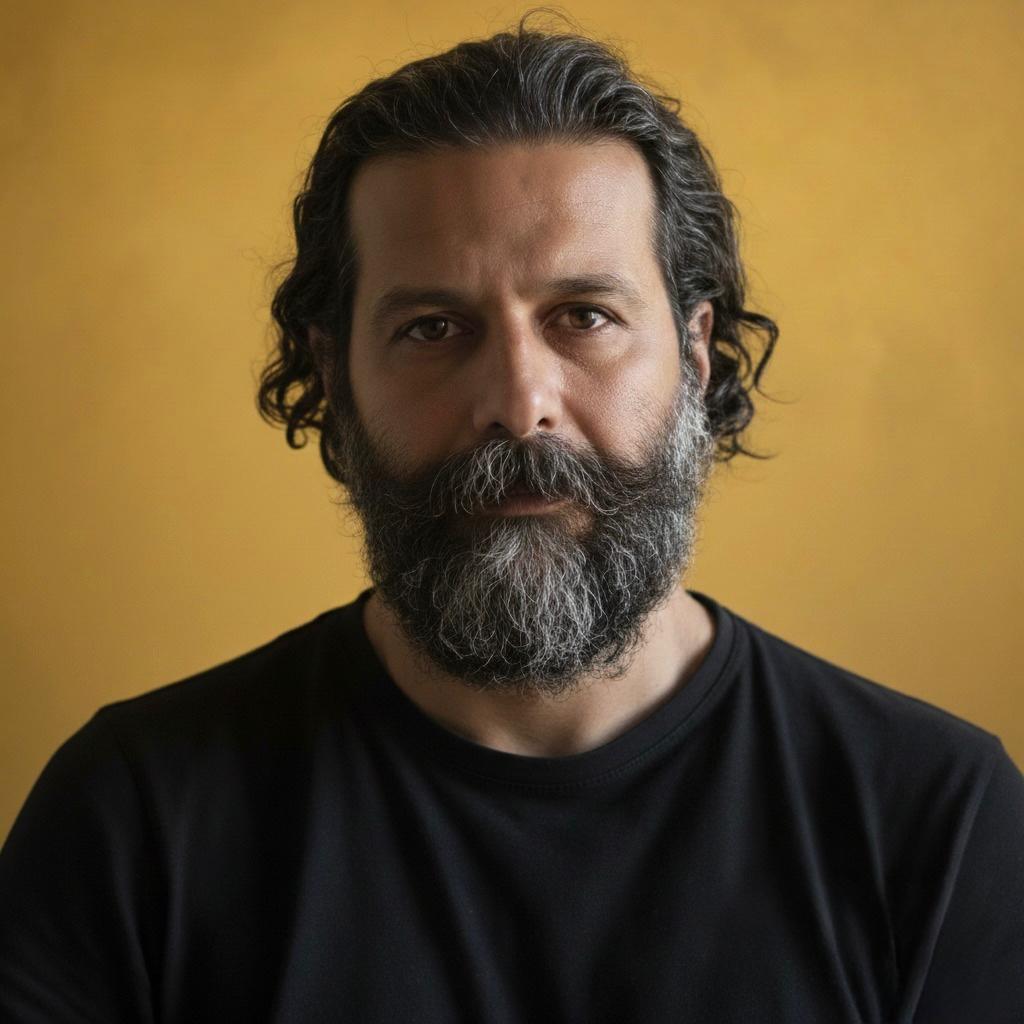
Shima Gholamrezaei
I hold a Master’s degree in Clinical Psychology from the University of Tehran and have been professionally active in the field of Freudian-Lacanian psychoanalysis for many years. I am an active member of the Lacan Toronto Institute and the International Forums of the Lacanian Field (IF-EPFCL) in London, where I regularly participate in seminars, reading groups, and theoretical discussions. With nearly a decade of clinical and theoretical experience, my work is grounded in a continuous engagement with Lacanian psychoanalysis. Alongside my therapeutic practice, I am active as a writer and a curator of the psychoanalytic interpretation of art. My interests lie at the intersection of psychoanalysis, art, and literature—where the unconscious unfolds through image, narrative, and language. In my clinical work, I utilize a Lacanian framework to explore the complexities of desire, subjectivity, and the symbolic structures that shape psychic life. This approach is rooted in years of theoretical study and an ongoing dialogue with literature and art. As a psychoanalytic art curator, I examine how contemporary artists express unconscious conflicts, desires, and forms of jouissance through their work. I am committed to creating spaces where psychoanalysis and art can enter into a living dialogue—spaces that allow for new ways of thinking about identity, trauma, migration, and the politics of representation. am also the founder of the Echoes of the Unconscious (Echoes_unconscious) project, an interdisciplinary initiative dedicated to the dialogue between psychoanalysis, art, and theory. Through Echoes, I seek to provide a space for thinking, listening, and the creative recreation of the unconscious. My articles and writings continue this path—bringing psychoanalysis into conversation with literature and culture, exploring the subtle ways in which language, image, and desire reveal the hidden dimensions of human experience.
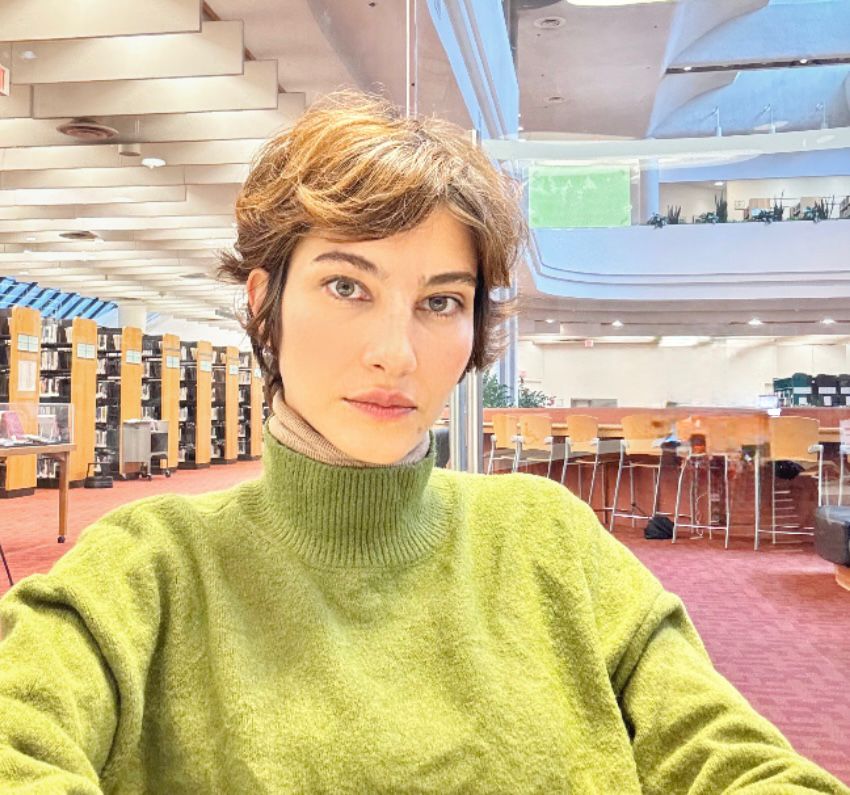
Iraj Esmailpour Ghochani
I am a researcher, artist, and Lacanian-oriented psychoanalyst. I received my PhD from the Ludwig Maximilian University of Munich and have spent years working on dreams, symbols, and images as living spaces of meaning. The central concept of my work is “Mardom-kavi” (Ethno-analysis), a term I coined myself. Mardom-kavi is neither individual psychoanalysis nor classical anthropology. It is the reading of the unconscious within the collective field: in the images, games, gestures, objects, and everyday narratives of people— where politics, technique, and ethics converge. In Mardom-kavi, the focus shifts from the isolated subject to the “scene”:
to what flows between individuals, to circuits, repetitions, and disruptions. While Mardom-kavi works with language, it remains faithful to the image, the body, and the tool. Here, technique is not merely a means; it is part of the structure of desire and ethical decision-making. My background in Electronic Engineering plays a decisive role in this perspective. As an artist and art activist, work with children, adolescents, and adults using my innovative method, Portrait Art Coaching. In this method, we use toys and small objects to arrive at a “solution-image”—an image that indicates a direction rather than providing a final answer.
My work often takes shape within the contexts of migration, discrimination, education, and collective labor. In these spaces, Mardom-kavi is a tool for seeing what remains hidden yet continues to operate. Alongside my practical work, I write. My writings establish a clear link between psychoanalysis, art, mathematics, and technique. For me, Mardom-kavi is not just a method; it is an ethical stance against power.